
Avoiding Common Tax Mistakes: A Guide for Individuals and Families
GD
Filing taxes can be an overwhelming task for many individuals and families. The complexity of tax laws often leads to mistakes that could cost you time and money. By understanding and avoiding these common errors, you can ensure a smoother filing process and potentially save on your tax bill.
Understanding Your Filing Status
Choosing the correct filing status is crucial. Whether you're single, married, or head of household, each status has different implications for your tax responsibilities. Most taxpayers overlook this aspect, leading to errors in tax calculations. Ensure you understand the criteria for each status to choose the one that best suits your situation.
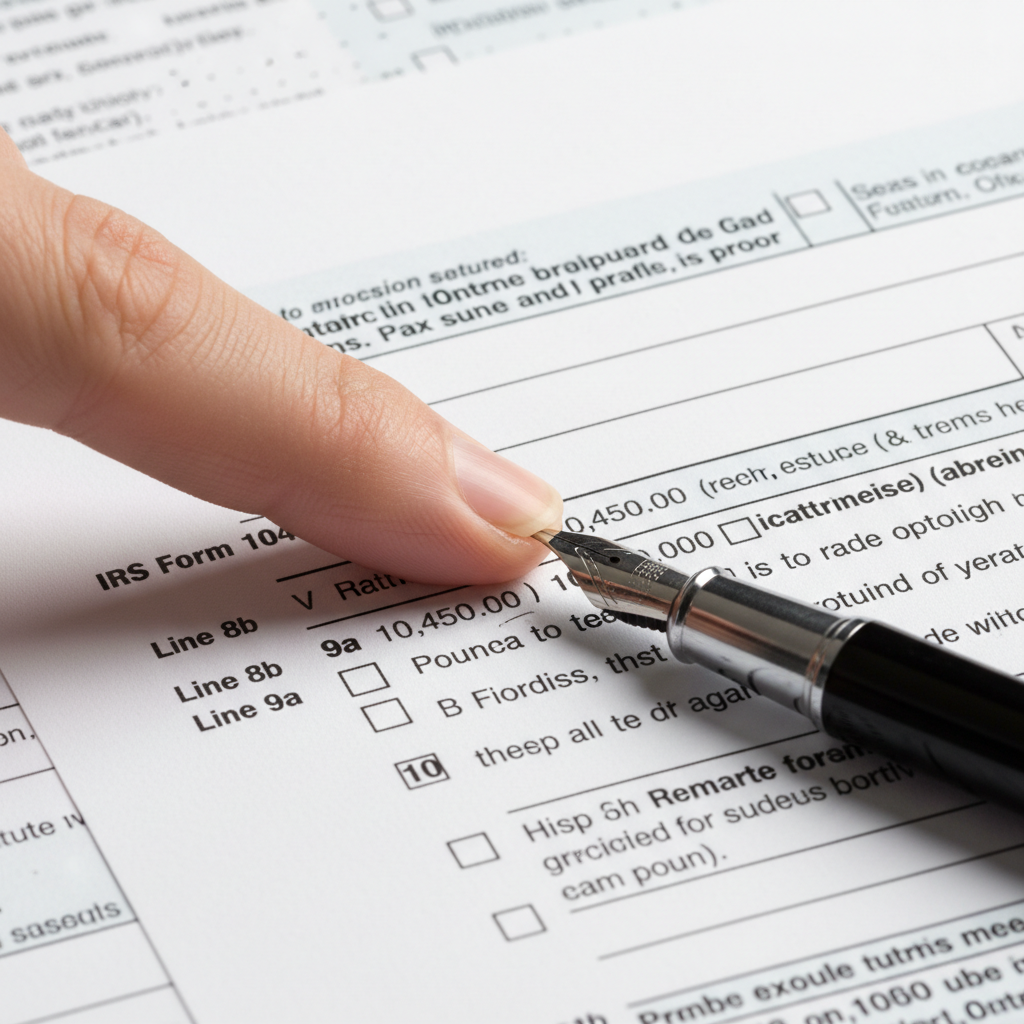
Common Filing Status Mistakes
Many individuals mistakenly file as single when they qualify for head of household, which can offer a higher standard deduction. Additionally, married couples sometimes file separately without realizing the potential tax advantages of filing jointly. Review your options carefully to avoid these pitfalls.
Reporting All Income
It’s essential to report all forms of income, not just what you receive from your primary employer. This includes income from side gigs, freelancing, investments, and rental properties. Failing to report all income sources can result in penalties and interest.

Overlooked Income Sources
Some commonly overlooked income sources include:
- Online sales or hobby earnings
- Dividends and interest from savings accounts
- Rental income from properties
Make sure you gather all necessary documents to accurately report each income source.
Maximizing Deductions and Credits
Many taxpayers miss out on valuable deductions and credits simply because they are unaware of them. From education credits to home office deductions, there are numerous opportunities to reduce your taxable income.

Commonly Missed Deductions
Some deductions and credits to consider include:
- Student loan interest
- Child and dependent care credits
- Medical and dental expenses
Research and understand the eligibility requirements to take full advantage of these benefits.
Keeping Accurate Records
Maintaining well-organized tax records is essential for a smooth filing process. Accurate records help you substantiate your claims and deductions, reducing the risk of audits. Keep a digital or physical file of all relevant tax documents, including receipts and previous tax returns.
By being mindful of these common tax mistakes and taking proactive steps to avoid them, you can ensure a more efficient tax filing experience. Consider consulting with a tax professional if you have questions or need additional guidance. Their expertise can help you navigate complex tax scenarios and optimize your returns.