
FAQs About Individual Tax Returns: Expert Answers
GD
Understanding the Basics of Individual Tax Returns
Filing individual tax returns can be a daunting task, especially if you're not familiar with the process. With numerous forms, deadlines, and regulations, it's essential to have a clear understanding of what is required. In this post, we'll address some frequently asked questions to help you navigate the tax season with confidence.
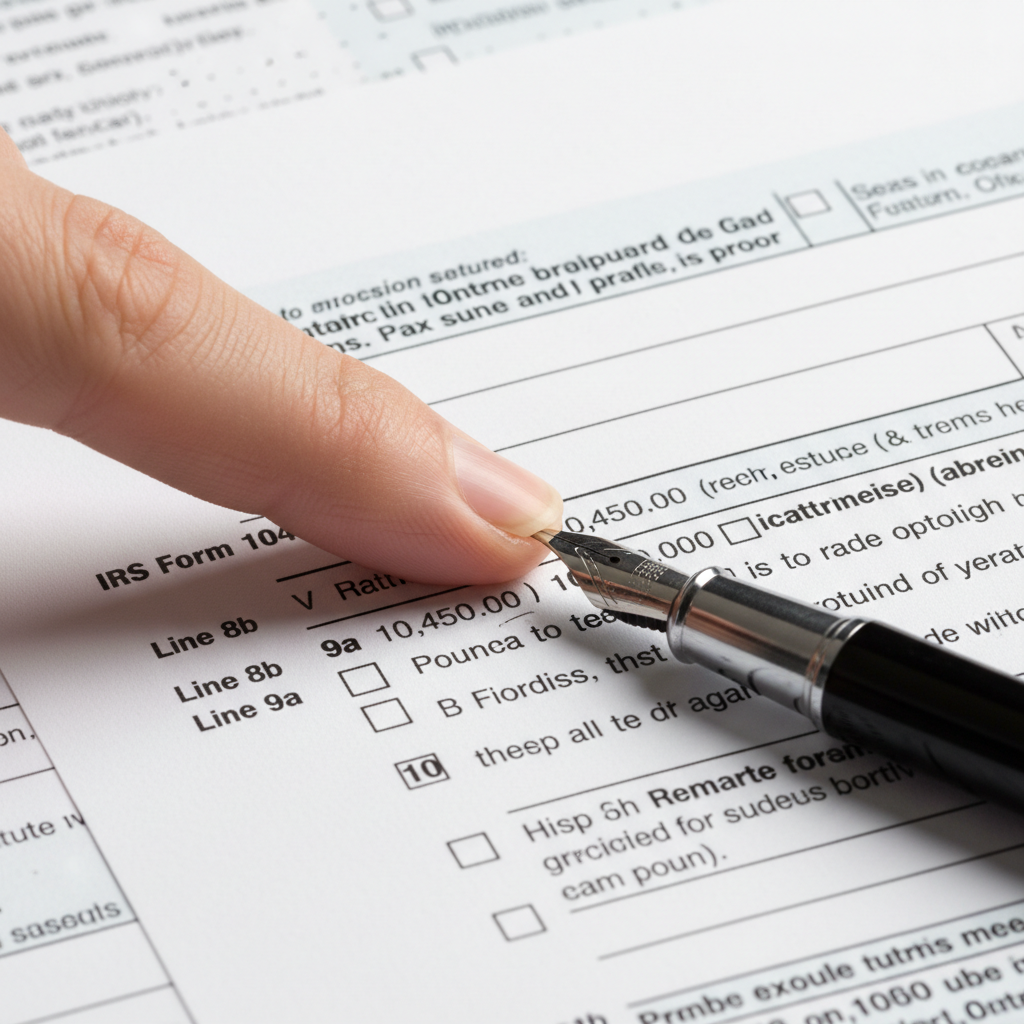
What is an Individual Tax Return?
An individual tax return is a form that taxpayers use to report their income, deductions, and credits to the government, typically on an annual basis. The information submitted is used to determine whether you owe taxes or are eligible for a refund. In the United States, the most common form for individual filers is the IRS Form 1040.
When is the Deadline for Filing?
The deadline for filing your federal income tax return is typically April 15th of each year. However, if the 15th falls on a weekend or holiday, the deadline is extended to the next business day. It's crucial to file on time to avoid penalties and interest on any taxes owed. If you need more time, you can file for an extension, which gives you until October 15th to submit your return.

Common Tax Deductions and Credits
Understanding available deductions and credits can significantly impact your tax liability. Deductions reduce your taxable income, while credits directly reduce the amount of tax you owe. Here are some of the most common deductions and credits:
- Standard Deduction: A fixed dollar amount that reduces your taxable income.
- Itemized Deductions: Specific expenses such as mortgage interest and medical expenses.
- Earned Income Tax Credit (EITC): A credit for low to moderate-income working individuals and families.
How Do I File My Tax Return?
There are several ways to file your tax return, including electronically through tax software, using a professional tax preparer, or mailing a paper return. E-filing is the most popular option due to its convenience and faster processing time. Many tax software programs offer step-by-step guidance, making it easier to ensure accuracy.
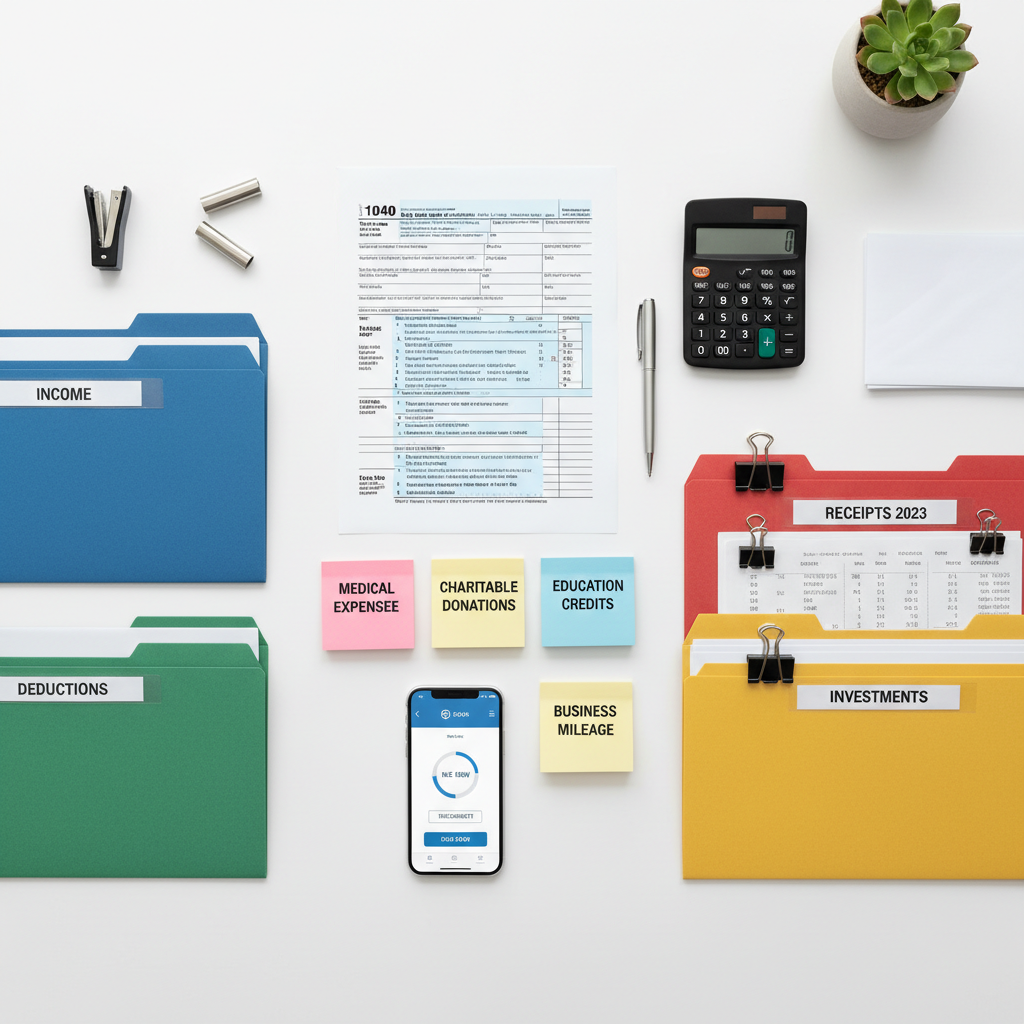
What Documents Do I Need?
Gathering the necessary documents is a crucial step in preparing your tax return. Here’s a checklist of some important documents you may need:
- W-2 Forms: From your employer(s) showing your income and taxes withheld.
- 1099 Forms: For other income sources such as freelance work or dividends.
- Receipts for Deductions: Such as charitable contributions and business expenses.
What Happens If I Make a Mistake?
Mistakes on your tax return can be corrected by filing an amended return using Form 1040-X. It's important to address errors promptly to avoid potential penalties. Double-checking your return before submission can help prevent common errors, such as incorrect Social Security numbers or math mistakes.

Conclusion
Filing your individual tax return doesn't have to be overwhelming. By understanding the basics and keeping track of important dates and documents, you can make the process smoother. If you have specific questions or unique tax situations, consulting with a tax professional can provide additional peace of mind.