
Seasonal Tax Preparation Checklist for Small Business Owners
GD
Introduction to Seasonal Tax Preparation
As a small business owner, staying on top of tax preparation is crucial. Not only does it ensure compliance, but it also helps you make informed financial decisions. With the changing seasons, certain tasks need attention to keep your business running smoothly.
Organize Your Financial Records
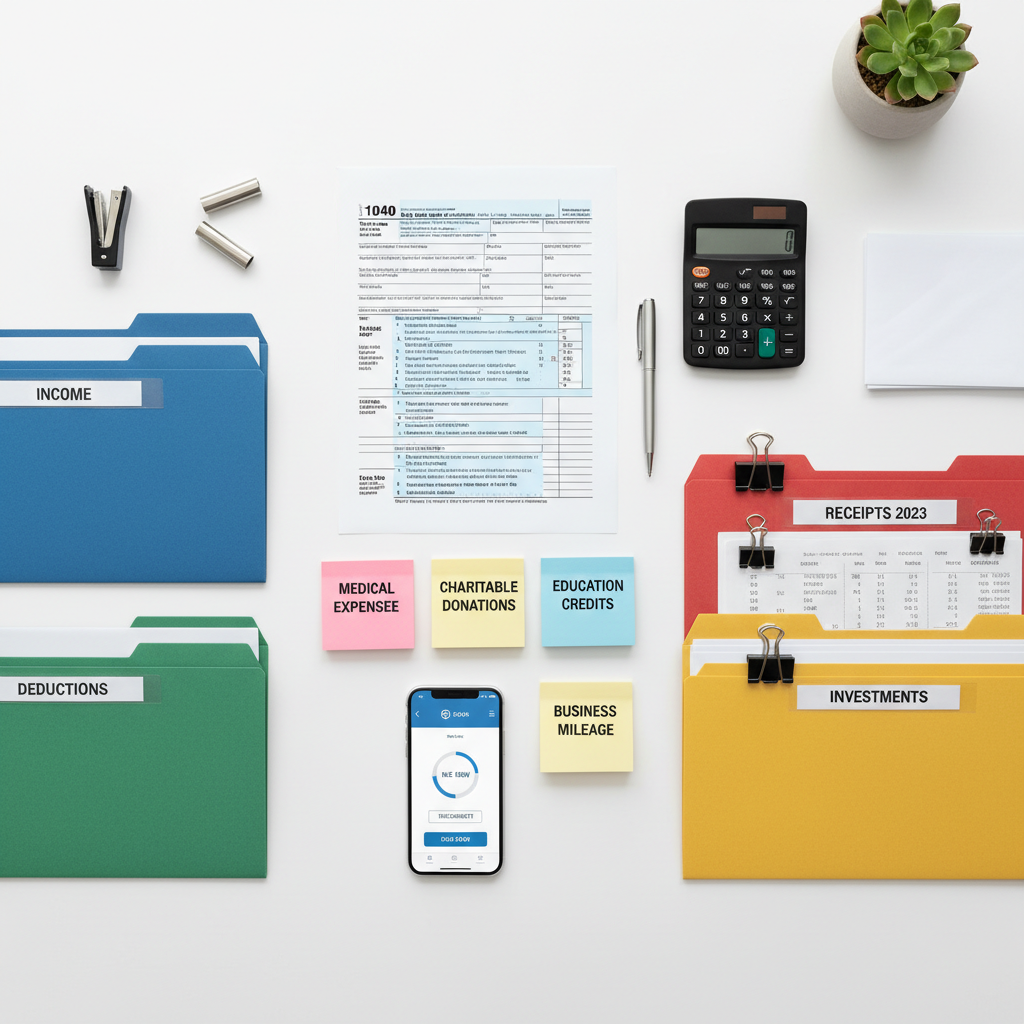
Begin by gathering all necessary financial documents. These include income statements, expense receipts, and bank statements. A well-organized record system will save you time and stress when it’s time to file taxes.
Use Accounting Software
Consider using accounting software to streamline the organization process. Many programs offer features that automatically categorize expenses and generate useful reports. This can make your seasonal tax preparation much more efficient.
Review Tax Deductions
Understanding which deductions apply to your business can significantly reduce your tax liability. Common deductions include office supplies, travel expenses, and employee wages. Make sure to review these regularly to maximize your savings.

Consult a Tax Professional
Engaging a tax professional can provide valuable insights into applicable deductions and credits you might not be aware of. They can also help ensure that your filings are accurate and compliant with current tax laws.
Prepare for Quarterly Taxes
Small business owners are often required to pay estimated quarterly taxes. Mark these dates on your calendar and prepare in advance. Missing these payments can lead to penalties and interest charges.
- April 15
- June 15
- September 15
- January 15
Set Aside Funds for Taxes
One of the best practices is to set aside a portion of your revenue for tax payments. A separate savings account can help you manage these funds effectively and avoid cash flow issues when tax deadlines approach.
Keep Up with Tax Law Changes
Tax laws can change frequently, affecting how you file and what you owe. Stay informed by subscribing to tax newsletters or attending workshops. This knowledge can prevent unexpected surprises during tax season.
Final Thoughts
By following this seasonal tax preparation checklist, you can reduce stress and ensure that your small business stays compliant. Keeping organized records, understanding deductions, and staying informed about tax changes are key components to successful tax preparation.
Remember, proactive planning and regular consultations with a tax professional can make a significant difference in your business's financial health.